


Integrated Pest Management
Click on the article titles below

About Integrated Pest Management
The attendance of theme parks and zoos is a worldwide experience that millions of people seek every year. There may be an altruistic meaning behind the development of many facilities such as zoos and animal themed parks....
Read More >>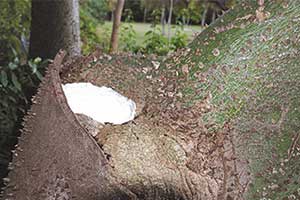
An Experiment in Arboriculture and Mosquito Control
There are approximately 3000 species of mosquito in the world, about 200 in theUnited States and about 60 species are found where I work in Miami-Dade County, Florida. Many of these mosquito species are not only annoying biters of humans or animals but are also disease vectors.
Read More >>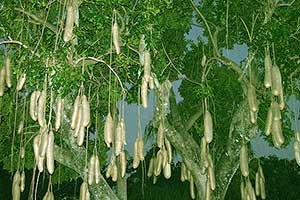
German Cockroach Control through IPM
This article makes recommendations based upon a successful German cockroach control program implemented by the author in a commercial animal housing facility. Using an Integrated Pest Management (IPM) approach the situation has been brought under control and the roach population is being maintained at acceptable levels.
Read More >>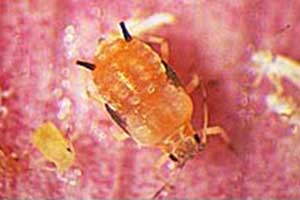
An IPM plan for the Control of Phtyophagous Mites on Musoid Plants
The control of spider mites (Tetranychidae) on Musoid plants is challenging in any large collection of ornamental plants. The colonization of Musoid plants by spider mites normally begins on the oldest or senescent leaves.
Read More >>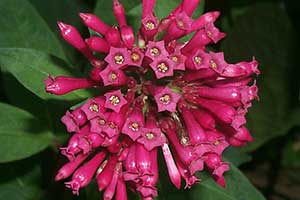
An IPM program for growing tropical plants using cultivation techniques
When an Integrated Pest Management (IPM) program is evaluated, the use of beneficial insects and disease-resistant plants are usually acknowledged as the main tools of such a program. Cultivation methods, such as controlled watering, pruning, and mulching, are not covered very well in texts about IPM (Yepsen 1985, Horn 1988, Olkowski et al 1991).
Read More >>
Practical IPM for the South Florida Homeowner
Much has been written about Integrated Pest Management (IPM) and how its implementation in agriculture and horticulture has reduced pesticide use. Releasing beneficial insects, alternating toxic chemicals with more benign ones to reduce insect immunity, and other elaborate programs are being utilized by commercial operations.
Read More >>