

About Compost, Mulch & Tilth
The physical condition of a soil can be defined as soil tilth; that is the bulk density, porosity, structure, and aggregate characteristics as they relate to water movement, nutrient retention, and stimulation of microbial and microfauna populations. Soil tilth is important because it affects all processes occurring in the soil matrix. A healthy rhizosphere (the root zone) is the key to a healthy plant.
Soil tilth is often inversely related to soil strength. On a construction site structural fill is often brought in and compacted to withstand the load of the structures to be built on top of the fill. The result of this action is that 90% to 95% of all the voids in the soil have been removed and dense, compacted zones have formed within the soil profile. That leaves very little space for water and oxygen (and roots) to move through the soil resulting in a soil medium with poor tilth and aggregate characteristics; a very poor habitat for most plants. Structural soil also contains a minimum of organic matter. These conditions are common for many landscape installations on new construction sites. Also, areas that have vehicles constantly driving over or even foot traffic can end up becoming compacted to a point where plants will not grow well because of the resulting surface crust and possible underlying compaction.
Two of the most traditional practices in farming and horticulture are composting and the use of mulch as a topdressing. Mulch can either be freshly chipped plant or tree material or what is known as “green mulch” which is growing short lived plants for the nutrients that they accumulate and release into the soil when the plants are either cut down or die naturally. For millennia, green mulching has been utilized to return nutrients to the soil thereby improving the microflora and fauna of the rhizosphere. The practice of mulching imparts many advantages to soil tilth. Organic residue decreases water loss from the soil and acts as a thermal barrier to heat exchange thereby keeping the soil cooler, increases water infiltration, reduces erosion, provides a more stable soil microclimate for biological activity, a supply of nutrients for microbial populations, and impedes soil compaction. Weeds are inhibited from growing by simply being excluded from the sunlight that is blocked out by the mulch. Under certain circumstances freshly chipped tree mulch can be used for cold protection since the active bacteria generate enough heat to warm the ground and underlying roots. Composting is the simple practice of utilizing natural fungal and bacterial processes to create soil out of organic matter or residue. This process is actually what occurs to mulch as it breaks down. Another major benefit of incorporating the use of mulch and/or compost in horticultural operations is the potential removal of atmospheric CO2 by carbon sequestration in vegetation and storage in biomass and soil.
The articles in this section will give you a glimpse into these natural processes and how they should be a major component of any horticultural Integrated Pest Management or Plant Health Care program.
Photo Gallery
Click Photos to Enlarge
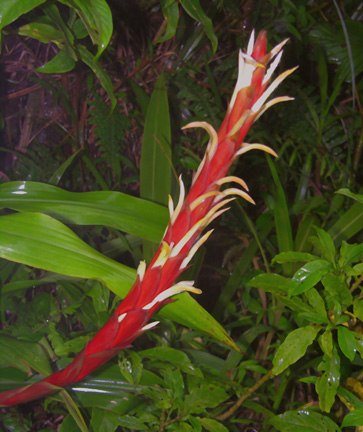 An inflorescence of Pitcairnia imbricata growing epiphytically near the crater of Volcan Mombacho, Nicaragua.
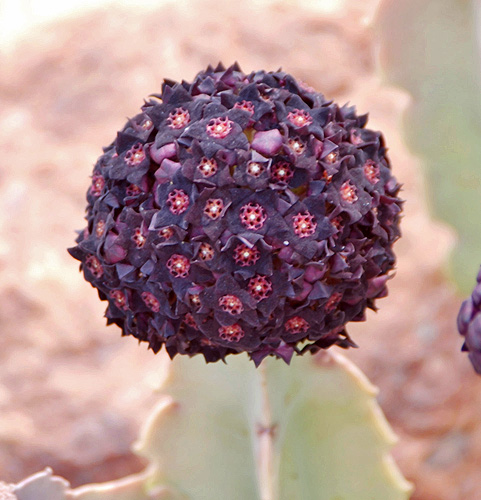
Caralluma acutangula (syn. C. retrospicens) may be the largest of the stapeliads. This plant was photographed in Orman Botanic Garden, Giza, Egypt.
An inflorescence of Pitcairnia imbricata growing epiphytically near the crater of Volcan Mombacho, Nicaragua.
Caralluma acutangula (syn. C. retrospicens) may be the largest of the stapeliads. This plant was photographed in Orman Botanic Garden, Giza, Egypt.
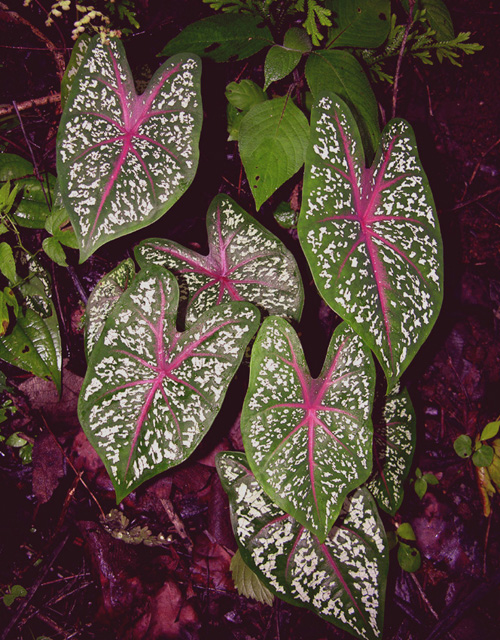 Different color forms of Caladium bicolor found on Volcan Mombacho, Nicaragua.
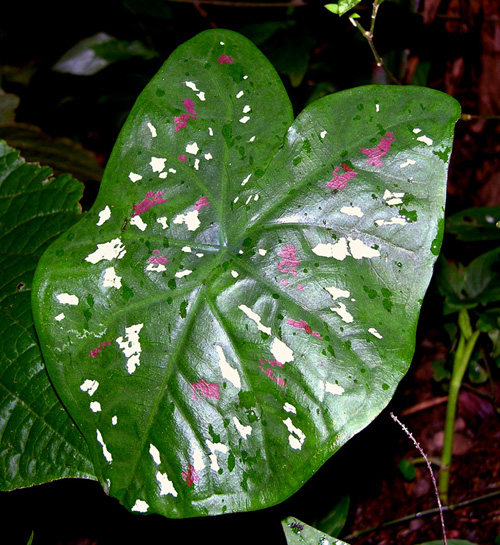 Different color forms of Caladium bicolor found on Volcan Mombacho, Nicaragua.
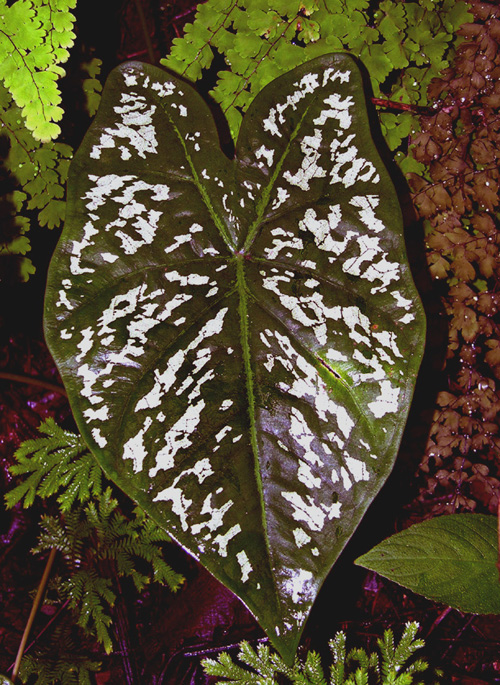 Different color forms of Caladium bicolor found on Volcan Mombacho, Nicaragua.
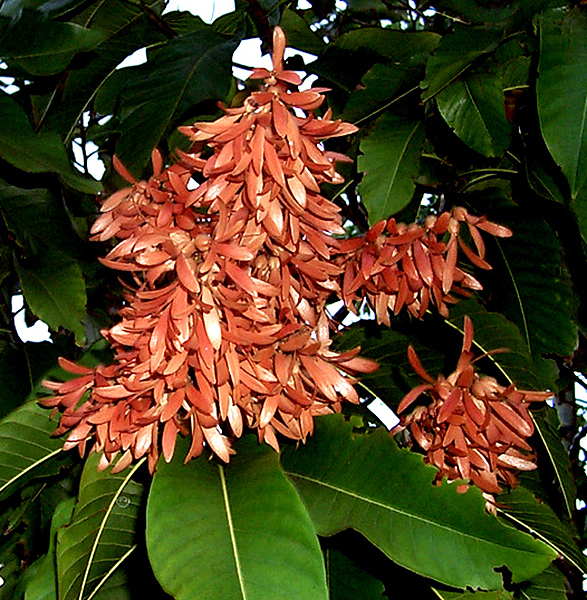 Tithonia diversifolia, Tree Marigold has been shown to be a high quality nutrient resource of phosphorous when used as a green mulch
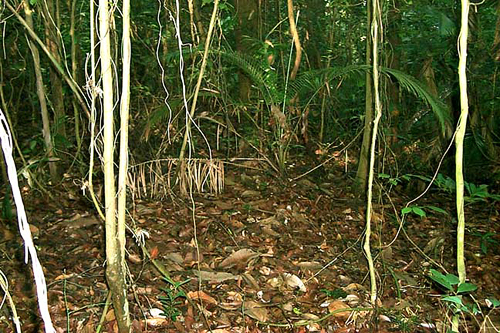 Natural nutrient recycling on the forest floor in Taman Negara, Malaysia
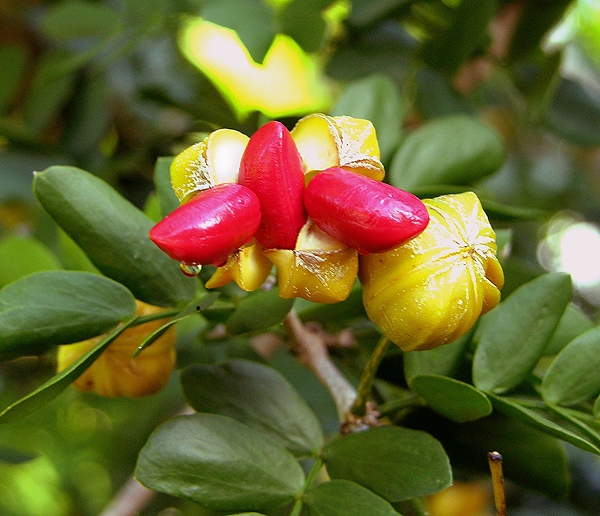 Lignum-vitae, Guaiacum sanctum from Grand Bahama Island.
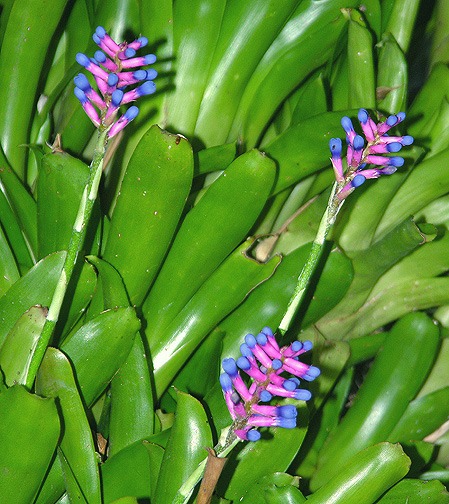 Aechmea gamosepala, a small epiphytic bromeliad from Brazil.
 About Compost, Mulch & Tilth
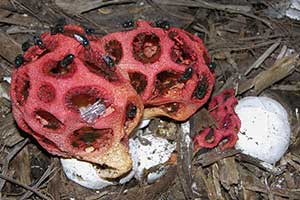 The Lattice Stinkhorn, It’s Slimy and It’s Smelly
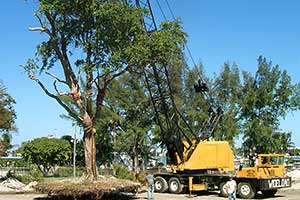 Relocating A Theme Park With A Compost Foundation
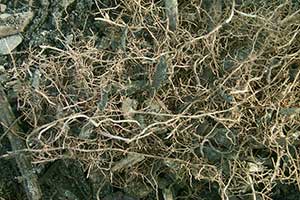 How the use of Compost and Mulch has been an Important Component of a Successful Integrated Pest Management Program
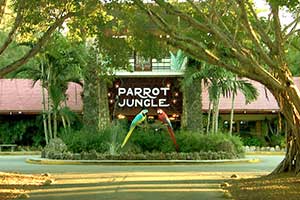 Composting at Parrot Jungle and Gardens